
Transloading in Chicago, IL: container to trailer near the rail ramps

Transloading Chicago containers is how Platton, a US freight forwarder specialized in imports, gets your cargo out of the ocean box and onto domestic trucks. The cargo comes out near the rail ramp where the box grounds and goes onto pallets or straight into 53-foot trailers, for a dock in the metro or a city across the Midwest. Platton returns the emptied container to the ramp inside its free days, so you avoid the per diem it would run up on a long trip inland. How the move works and when it pays is in the transloading guide.

Price a Chicago transload

Why Chicago containers leave the box early

Most cargo that comes off the train in Chicago still has a road leg ahead, to a warehouse in the suburbs or a few hundred miles on to Detroit, Cleveland or Minneapolis. Platton moves it out of the ocean container near the ramp because the container belongs to the ocean carrier and runs on its clock. A Chicago ramp usually gives fewer free days than the port where the box was discharged, which leaves little room for a long trip out and back. The trailer also carries more. A 53-foot trailer takes about 3,900 cubic feet against about 2,700 in a 40-foot high cube, and ocean loads rarely fill a box by volume, so two trailers carry what came in three containers.

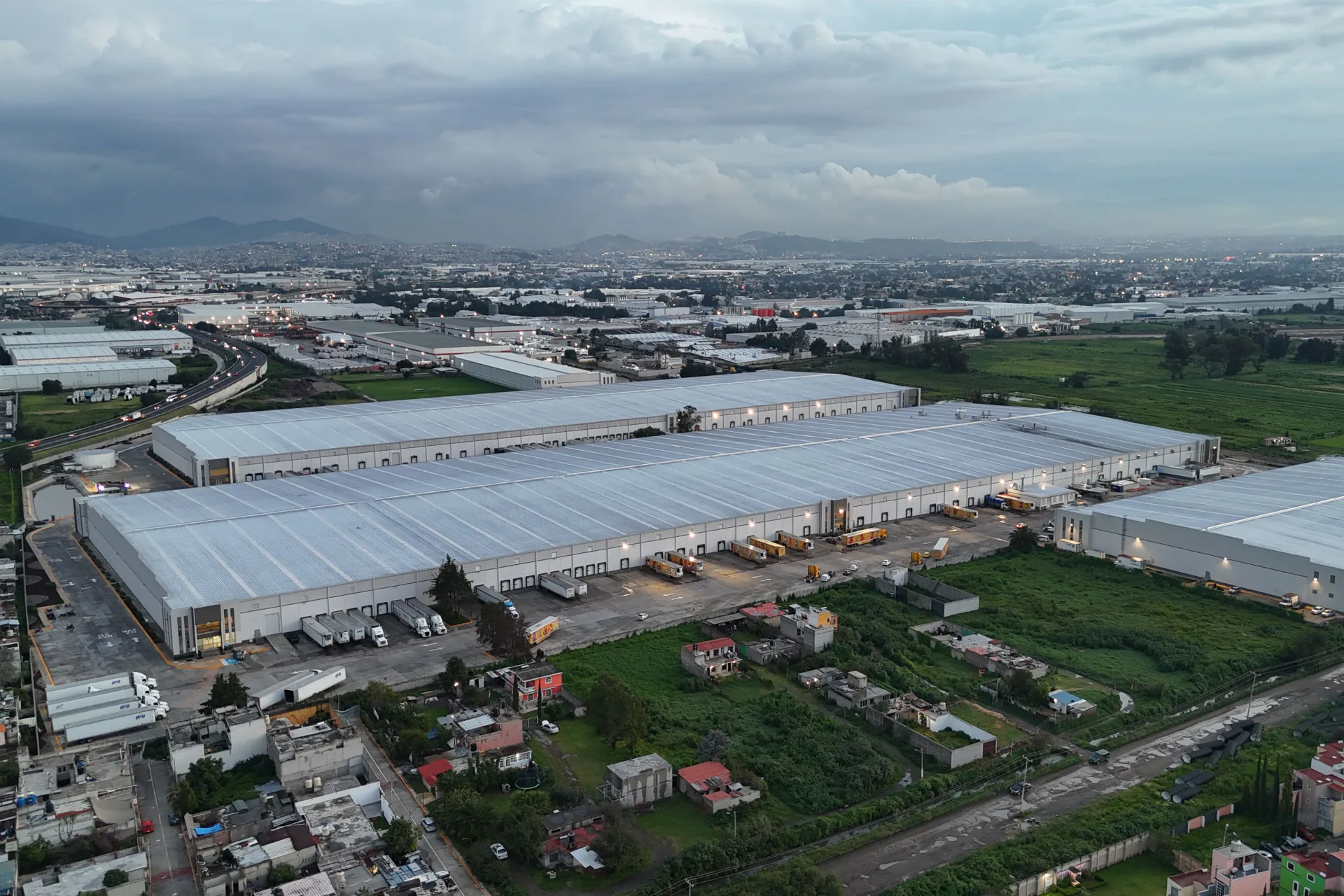
Aerial view of warehouses with freight trailers at loading docks

Gate-out to outbound trailer at a Chicago transload

Platton runs every step below close to the ramp, so the container's trip to the transload is a short one. The pull off the ramp itself, chassis included, is on the drayage in Chicago page.

One Chicago container through a transload

StepWhat happensThe clock
Dray from the rampPlatton drays the container from the ramp where it grounded to a transload close byInside the ramp's free time
Unload palletized cargoPlatton takes the pallets out and stages them for the outbound trailerNo palletizing step, so it is first in line for the trailer
Unload floor-loaded cargoPlatton builds the loose cartons onto pallets before anything loadsPalletizing comes first, so the trailer loads later than for palletized freight
ReloadPlatton loads 53-foot trailers for full truckload (FTL) or splits the freight into less-than-truckload (LTL) and Amazon FBA shipmentsScheduled against your delivery date or dock appointment
Empty returnThe empty goes back to the ramp the carrier namesInside its free days, before per diem starts

Before the trailer loads, Platton checks the piece count against the packing list and notes any damage or short shipment with photos, so a claim to the ocean carrier rests on Platton's own count.

Transload facilities near the Chicago rail ramps

Transload facilities in Chicago: the ramps they work from

RampsWhere they sitWhat grounds there
Elwood and JolietElwood about 50 miles and Joliet about 40 miles southwest of the Loop, both inside CenterPoint Intermodal CenterWest Coast boxes, with the longest pull into the city
Bedford Park, Landers and 47th StreetBedford Park about 12 miles southwest of the Loop; Landers and 47th Street 6 to 10 miles southEast Coast boxes, with the shortest pull to city and near-suburb docks
Harvey and BensenvilleHarvey about 20 miles south; Bensenville about 18 miles northwestBoxes routed inland on CN or CPKC, close to the south and northwest suburbs

Close to the Chicago ramps, Platton's warehouse services give the transload its floor space, a few days of storage and room for a container pulled off the ramp early. Import containers reach Chicago by intermodal rail from the coast and come off the train at one of the railroads' Chicago ramps. Platton drays from all of them, among them BNSF Elwood, Union Pacific Joliet, CSX Bedford Park, Norfolk Southern Landers and 47th Street, CN Harvey and CPKC Bensenville.

Container or 53-foot trailer: Milwaukee, Detroit and Minneapolis

How far the cargo goes decides whether Platton drays the container direct or transloads it near the ramp.

Direct dray or transload from the Chicago ramps

Where the cargo goesDistance from the rampsKeep it in the containerTransload into trailers
Chicago-area warehousesUp to about 50 miles, depending on the rampYes: one direct dray, same dayRarely; the dray is short, unless the box is overweight
Milwaukee, Indianapolis, Rockford, South BendUp to about 200 milesDirect dray, same or next dayWhen the box is overweight, or for several docks
Detroit, St. Louis, Cleveland, MinneapolisAbout 250 to 440 miles, depending on the rampNext-day direct drayA transload into 53-foot trailers, which is usually cheaper at this distance
Atlanta, Memphis, Dallas, DenverAbout two days by truckRarelyAlmost always; the container would spend days away from its ramp
Several docks or FBA sites from one containerAny distanceNoYes: one unload, then LTL or FTL to each

A direct dray to Minneapolis or St. Louis keeps the container and a day-rate chassis out for the whole round trip, empty miles back to Chicago included. For the outbound leg, a full truckload is one flat rate to your dock, and it usually costs less per unit and arrives sooner than LTL once the freight passes roughly 10 to 12 pallets or 15,000 pounds. The FTL vs LTL guide compares rates and risk.

Overweight at the Chicago ramps: cargo split across two trailers

Machinery for Midwest plants and auto parts for the factories of Michigan, Indiana and Ohio often leave origin loaded to the container's sea rating, which is more than the road allows. A 40-foot container is legal on Illinois roads with about 44,000 pounds of cargo, a 20-foot with about 38,000. A heavier box leaves the ramp on a tri-axle chassis under a permit, and Platton plans the tri-axle and the permit at booking. At the transload Platton divides the cargo between two trailers that each stay under the 80,000-pound gross limit, so the leg to your dock needs no permit and no tri-axle. The farther the dock, the more the split is worth. A heavy container sent straight on to Detroit or Minneapolis would need the special chassis and a permit for the whole trip, while two standard trailers move at ordinary truckload rates.

Domestic freight trailer

The Chicago transload quote, line by line

Platton prices the transload itself per container, in four lines.

What a Chicago transload is priced from

LineWhen it appliesHow Platton quotes it
Unload and reload the containerEvery transloadPer container
Palletizing floor-loaded cargoWhen the cartons arrive loosePer pallet built, quoted from the packing list
Short-term storageWhen the trailer cannot load the same dayPer pallet per day
Pallet rework or special handlingWhen the cargo needs more than the unload and reloadPriced on top of the transload fee

Platton runs both Chicago transloading and drayage, and the dray from the ramp, the transload and the outbound trailer each carry their own line on the quote. Rates are locked at booking, with no hidden fees.

Platton transloading near the Chicago ramps

Importers across the US trust Platton, a member of WCA, JCtrans and NCBFAA, and its Chicago transloading services start at the ramp and end with the freight on its way to your dock.

Most boxes pulled the day they become available

The trip from the rail ramp to the transload starts early: 93 percent of the boxes Platton pulls leave the ramp on the day they become available, so the unload begins with most of the free time still ahead.

Three shipments out of one container

One Chicago container can feed a warehouse, a customer and an Amazon fulfillment center: Platton unloads it once, builds three separate shipments and sends each on by LTL or FTL to its own address.

FBA inventory prepped for the fulfillment center

For FBA inventory that arrives at the Chicago ramps, Platton adds FNSKU barcode labels and pallet prep, schedules the delivery against the fulfillment center and delivers it there. Inside the Chicago metro, Amazon has FBA warehouses of its own, and its sites around Indianapolis, Milwaukee, Detroit, Cleveland and St. Louis are a one-day truck run from the ramps.

Real-time tracking from the ramp to the trailer

Quotes, bookings, documents and real-time container tracking run on one AI-driven platform, with proactive updates from the ramp pull to the outbound trailer, and the people behind it answer fast. Platton's drayage deliveries run 97.4 percent on time.

Where Chicago transloading connects to the rest of your imports

Before and after the transload:

Drayage in Chicago: the container's move from the rail ramp to the transload or straight to your dock.

Warehouse services: floor space and short-term storage near the ramps for freight waiting on its trailer.

FTL and LTL: the trucks that carry transloaded freight across the Midwest and beyond.

Cross-docking: how it compares with transloading and warehousing.

Chicago Transloading FAQs

Yes. Platton prices the transload per container, so a single box gets its own quote, whether it is your first import or one of hundreds. A load too small for a box of its own can travel as LCL, or share a container with other suppliers' orders through buyers consolidation.

Get the transload priced before the train reaches Chicago

Send the container number, the Chicago ramp on the booking, the packing list and where each shipment goes, and Platton sends back a live quote for the transload. Platton's Chicago office is at 2500 S Loomis St, Chicago, IL 60608; call +1 206-776-2292 or email cs@platton.ai.

Request a Chicago transload quote