
Drayage in Chicago, Illinois: Rail Ramp Pickup to Your Dock

Platton runs rail ramp drayage in Chicago for importers whose ocean containers arrive by train from the coast: the grounding notice is watched, the chassis is assigned before the box is available, and the container is at a dock in the metro or the Midwest inside the ramp's free time. Chicago is one of the 42 US ports and rail ramps we pull from, worked from the Platton office at 2500 S Loomis St on the Stevenson Expressway, the road to the Bedford Park ramp. Whether one container grounds here a year or ten a week, the rate is built the same way.

Get a Chicago drayage quote

Seven Ramps, One Rate Sheet: The Ramp Decides the Dray

The availability notice for a Chicago container comes from a rail ramp, not a marine terminal, because the box was discharged at Los Angeles, Long Beach, Tacoma or an East Coast port and railed in. Intermodal drayage in Chicago is ramp drayage, and which ramp the ocean carrier named on the booking decides how long and how expensive the dray will be.

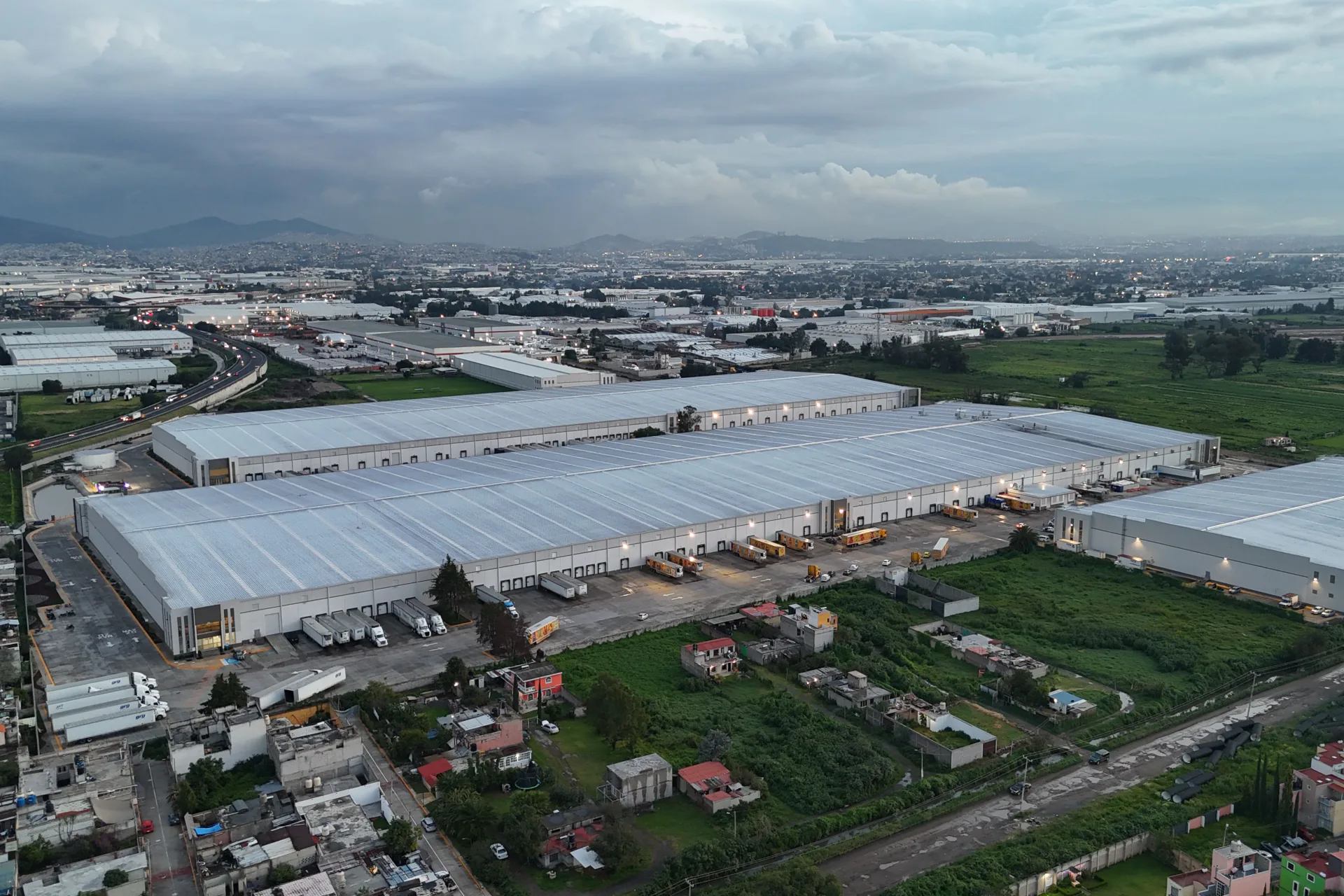
Aerial view of warehouse loading docks and freight trailers

The Chicago ramps an import container lands at

RampRailroadWhereWhat it means for the dray
Logistics Park ChicagoBNSFElwood, about 50 miles southwest of the LoopLongest metro dray; most West Coast boxes on BNSF land here
Global IVUnion PacificJoliet, about 40 miles southwestSame corridor as Elwood; West Coast boxes on UP
Global IIUnion PacificNorthlake, about 20 miles westClose to O'Hare and the northwest suburbs
Bedford ParkCSXAbout 12 miles southwest of the LoopEast Coast boxes; short dray to the southwest side and near suburbs
Landers and 47th StreetNorfolk SouthernSouth side, about 6 to 10 milesEast Coast boxes; the shortest city drays
HarveyCNAbout 20 miles southBoxes routed inland on CN; south suburbs
BensenvilleCPKCAbout 18 miles northwestBoxes routed inland on CPKC; northwest suburbs

A container grounded at Elwood and delivered to a dock in Cicero is a 50-mile dray through the busiest truck corridor in the Midwest. The same delivery from Bedford Park is 12 miles. Both are "Chicago drayage" on a rate sheet, so the ramp has to be on the booking before the dray is priced. The mistake Platton sees most often on Chicago files is a booking that says Chicago and names no ramp at all.

The Ramp Clock: Grounded, Available, Storage

Why ramp free time is shorter than port free time, and where it comes from, is on the shipping from China to Chicago page. This page starts where that one hands over, at the grounded box, and the drayage side of the clock looks like this.

What happens to an import container at a Chicago ramp

EventWhat it meansThe clock
Train arrivalThe container is on the train in the yardNothing starts yet
GroundingThe box is lifted off the railcar and placed in the yard; the availability notice goes outRamp free time starts here, and it is usually shorter than free time at the port
PickupThe driver collects the box on a chassis inside the free timePlatton pulls 93 percent of boxes on the availability day itself
DeliveryMetro docks the same day; the one-day radius the next dayGate-out to dock averages 36 hours
Empty returnThe driver returns the empty to whichever ramp the carrier names, which is not always the ramp it came fromPast the free days the empty runs up per diem, and a loaded box still sitting at the ramp is charged storage at 150 to 500 dollars a day

Two rows carry the money. The empty does not always go back to the ramp it came from, and a return instruction naming a different railroad turns the return into a crosstown. And per diem on the empty is a separate clock from ramp storage on the loaded box, so a container delivered on time can still bill if the empty sits at the dock.

What Rail Ramp Drayage Costs in Chicago

Two things set Chicago apart from a port on the invoice, and most Chicago drayage companies leave both for the invoice to explain. The chassis pools at Elwood and Joliet are thinner than the coastal pools, and when a pool runs short in October or January the box waits or the chassis is bobtailed in from another ramp at a cost. And winter itself is a line: a January dray to Elwood runs slower and prices higher than the same move in May. The ranges below are market figures, not a Platton tariff.

Chicago drayage price lines

LineWhat the market chargesHow Platton quotes it
Base move, ramp to a dock under 25 miles (Bedford Park, Landers to the city and near suburbs)250 to 450 dollarsQuoted per lane
Base move, 25 to 50 miles (Global II, Harvey, Bensenville to most of the metro)300 to 800 dollarsOne lane price
Elwood or Joliet to city-side and north-suburb docksPriced as a 50-mile-plus moveQuoted per lane
Chassis25 to 45 dollars a day, higher when the ramp pools tightenPart of the lane price on a standard move
Crosstown, ramp to rampFlat per moveQuoted when the routing needs it
Wait time at the dockBilled by the hour once the free hour or two is used upThe first hour or two is in the price
Ramp storage, pre-pull to a yardDaily, plus a flat pre-pull feeAdded only when the free days run short
Tri-axle for overweight, reefer genset, hazmatSurcharge per moveShown as its own line before dispatch

The national bands by distance, and why Chicago's ramp economics differ from a port's, are in drayage costs by port; what a chassis day actually buys is in the chassis fees guide.

Beyond the Ramp: The Chicago Metro and the One-Day Radius

Chicago is where a third of the US population sits within a day's drive, and most containers that ground here are not staying in Cook County.

Where Chicago containers go and how

DestinationFrom the rampsUsual move
Chicago, Cicero, Bedford Park, Elk Grove, Bolingbrook warehousesUp to about 50 miles, depending on the rampDirect dray, same day
Milwaukee, Indianapolis, Rockford, South Bend90 to 200 milesDirect dray, same or next day
Detroit, St. Louis, Cleveland, Minneapolis300 to 400 milesDirect dray next day, or a transload into a 53-foot trailer
Several docks or FBA sites from one containerAnyTransload near the ramp, then LTL or FTL

On the longer legs the container is the wrong equipment. A transload near the ramp puts the cargo into domestic trailers, three containers into two trailers, and sends the box back to the ramp before its free days run out instead of dragging it to Minneapolis and back.

Crosstowns, Overweight and Reefer Boxes at the Chicago Ramps

Three moves that surprise importers on a Chicago invoice. A crosstown is a dray from one ramp to another, needed when a box lands on one railroad and has to return, or continue, on a different one; between the western ramps and the city-side ramps it is a 35 to 45 mile move, and it belongs on the quote, not on the invoice. An overweight box, loaded to its sea rating at origin, cannot leave a ramp on a standard chassis: on Illinois roads a 40-foot carries about 44,000 pounds of cargo legally and a 20-foot about 38,000, so a heavy container moves on a tri-axle with the permit, planned at booking rather than at the gate. Reefers move with genset power on the chassis from the ramp to the dock.

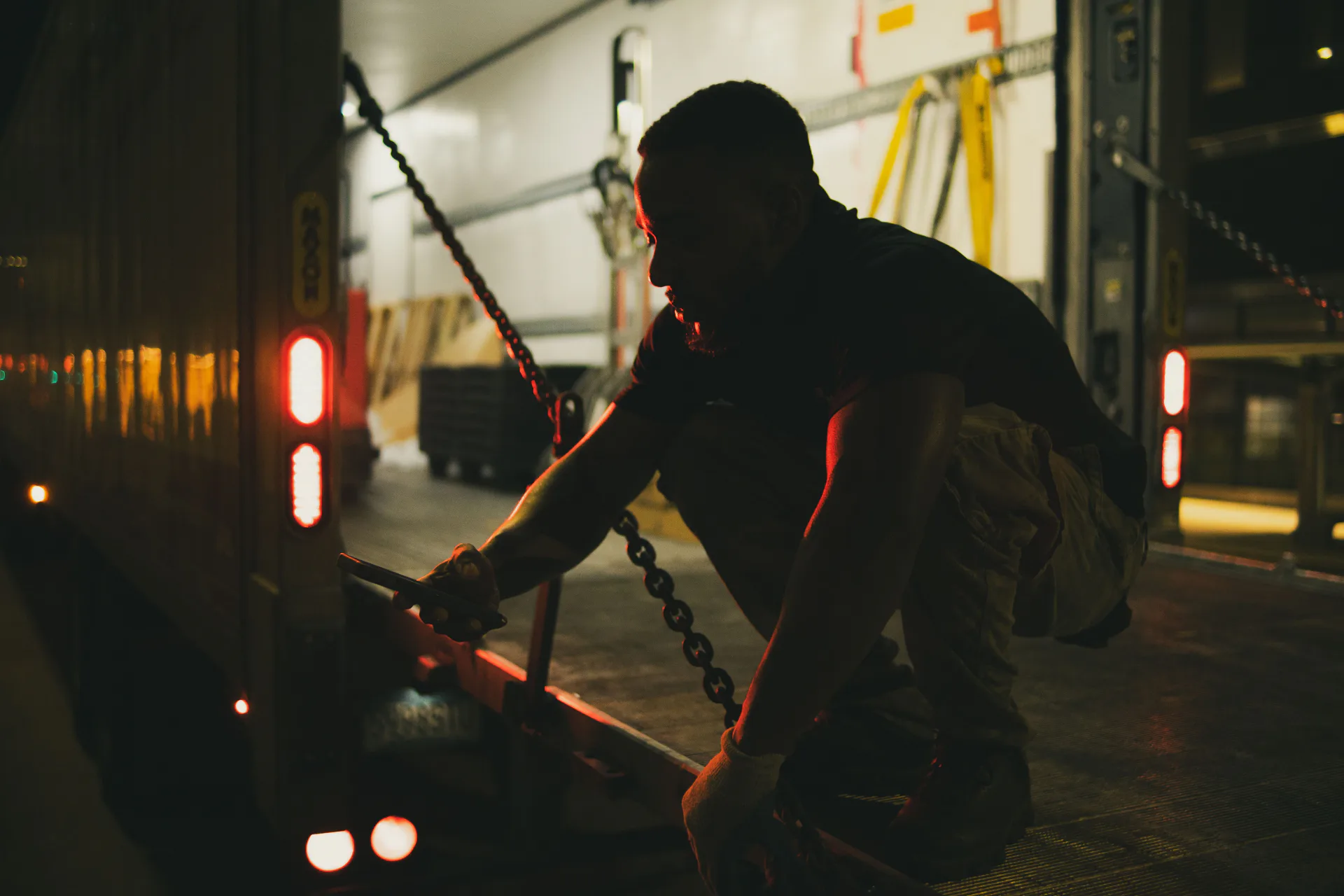
Worker inspecting equipment beside a freight trailer

Platton at the Chicago Ramps: Grounding Date, Chassis, One Rate

Platton's ramp work in Chicago comes down to the grounding notice, the chassis, the crosstown and the 300-mile call, and each is settled before the truck is dispatched.

The Grounding Date Is the Dispatch Date

The Chicago file carries the railroad's projected grounding date, and the driver and chassis are assigned to that date, not to the availability email that follows it. That is why 93 percent of Platton's ramp pulls land on the availability day, at Elwood in January as well as at Landers in May.

Chassis Held Where the Pools Run Short

Contracted chassis access is kept at the western ramps, where the pools thin out first, so a box at Elwood or Joliet is not waiting for equipment to be bobtailed across the metro.

Crosstowns Named on the Quote, Not Found on the Invoice

When the carrier's return instruction sends the empty to another railroad, the crosstown is a named line on the quote before the truck rolls, with the return ramp and the mileage on it; overweight, reefer and hazmat moves are priced the same way, before dispatch.

The 300-Mile Call Made on Numbers

For Detroit, St. Louis or Minneapolis the quote shows the direct dray next to a transload near the ramp with the container returned inside its free days, and every truck reports position and ETA into cargo tracking with the return ramp logged. On Platton drayage files, on-time delivery runs at 97.4 percent.

Where Chicago Drayage Connects to the Rest of Your Imports

The rest of the Chicago import, page by page:

Ocean freight: the international leg into the coast, before the rail.

Customs clearance: the entry lodged at the coastal port so the box moves inland released.

Warehouse services: transload floors, a few days of storage and pre-pull space close to the ramps.

LTL and FTL: the domestic leg after a transload, across the Midwest and the country.

Chicago Drayage FAQs

All of the metro's international ramps: BNSF Logistics Park Chicago at Elwood, Union Pacific Global IV at Joliet and Global II at Northlake, CSX Bedford Park, Norfolk Southern Landers and 47th Street, CN Harvey and CPKC Bensenville. Which ramp your container grounds at is set by the ocean carrier's routing, and it changes the dray distance by up to 40 miles, so Platton confirms the ramp on the booking before the lane is priced.

Book the Truck Before the Box Grounds

Send the container number, the ramp the carrier named and the delivery address. The quote returns with the lane priced from that ramp, the chassis, fuel and ramp fees inside it, the crosstown named if the return instruction needs one, and the pickup set against the projected grounding date.

Get a Chicago drayage quote