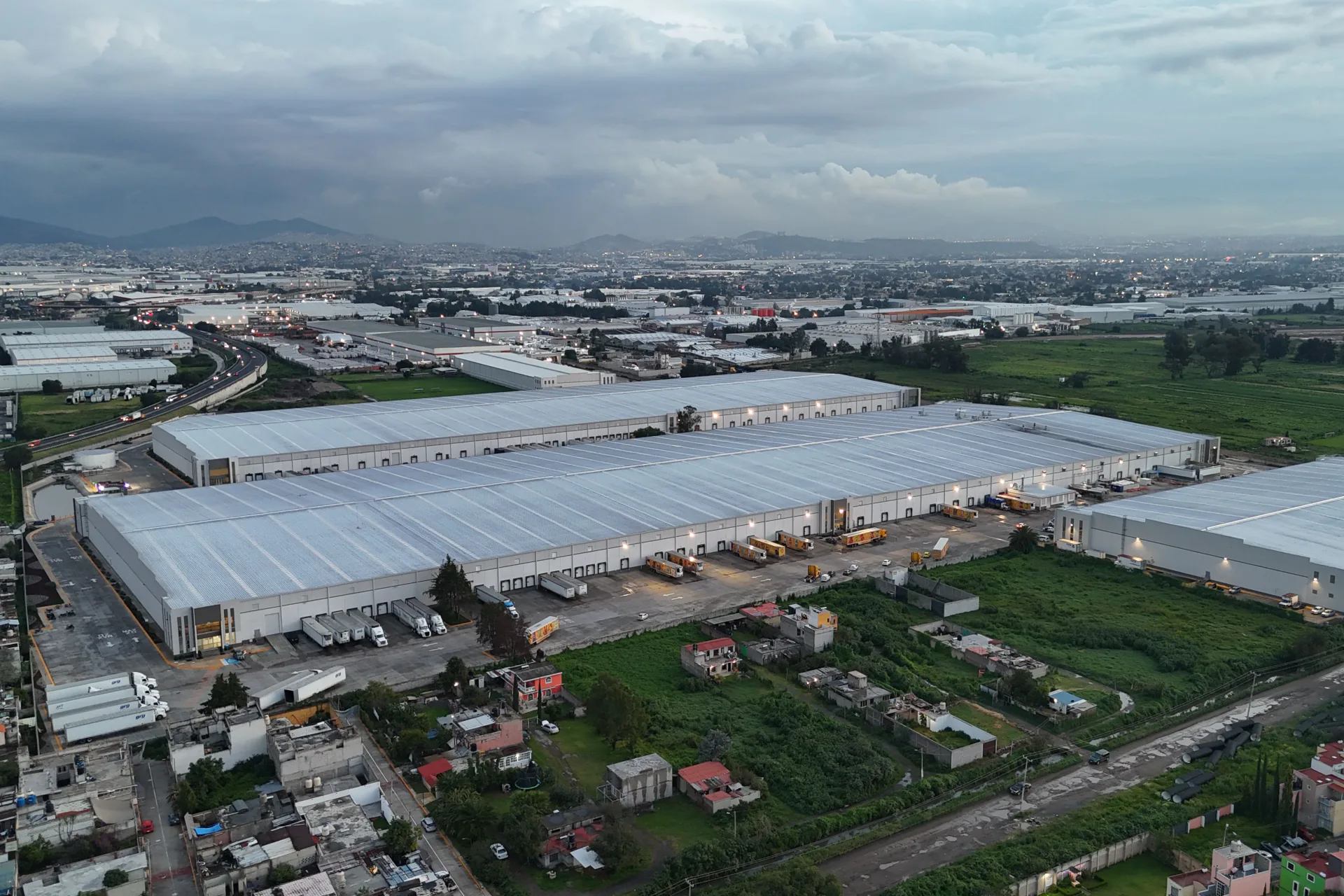
QUICK ANSWER Cross-docking is a handling method where inbound freight is unloaded at a dock, sorted by destination, and reloaded onto outbound trucks within hours, with no put-away, no storage location and usually no time on a rack. The pallet that comes off the inbound truck is the pallet that goes onto the outbound one. For importers it means a container can be devanned near the port and its pallets can be on LTL, FTL or FBA trucks the same day, at a per-pallet handling fee instead of a monthly storage bill; the equipment change at the port is a transload, the no-storage flow through the building is the cross-dock.
Cross-docking is the warehouse operation that refuses to warehouse anything. Cargo comes in one door, gets sorted on the floor, and leaves through another, and nothing in between gets a shelf. Below: how a dock runs it, the three types, what it costs against storage, and which import cargo belongs on that floor.
The pallet never gets a shelf
A cross-dock is a building with doors on two sides and a sorting floor in the middle. Freight arrives by truck or container, is checked against the manifest, is staged by destination on the floor, and is loaded out on the next departing truck. Nobody puts it away. There is no location for the system to remember. Walmart built its distribution network on the method in the 1980s, and LTL carriers run every terminal on it: the freight on your LTL pallet is cross-docked at each terminal along the route.
For import cargo the dock usually sits near a gateway. The container arrives on a drayage move, the pallets come out, and the cargo continues on domestic equipment. That is the point where cross-docking gets confused with transloading, and the two describe different things: a transload changes the cargo's equipment, container to trailer or railcar, while a cross-dock changes only which truck the pallet rides and refuses to store it in between. A near-port facility that takes a container and forwards its pallets to domestic trucks the same day is doing both at once.
Receiving, sorting and dispatch in one shift
The operation has three stages, and speed comes from how little happens in the middle one.
One inbound load through a cross-dock
| Stage | What happens | Time on the floor |
|---|---|---|
| Receiving | Truck or container backs to the inbound door; pallets are counted and scanned against the manifest | 30 to 90 minutes per load |
| Sorting | Pallets are staged in floor lanes by outbound destination; labels are checked, nothing is opened | Minutes to a few hours |
| Dispatch | Outbound trucks load from the staged lanes; the bill of lading is cut per destination | Same shift, under 24 hours from inbound door to outbound door |
A well-run cross-dock turns a container in a single shift. The freight that slows it down is freight that needs work: a mixed pallet with SKUs for three destinations has to be broken and rebuilt, which is a different operation with a different price.
Pre-distribution, post-distribution and opportunistic cross-docking
The types differ by one question: is the destination known before the freight arrives?
Three ways to run a cross-dock
| Type | Destination known | What the dock does | Import example |
|---|---|---|---|
| Pre-distribution | Before arrival | Pallets are already labeled per destination at origin; the dock only sorts and loads | A supplier in China labels pallets per FBA shipment ID; the dock forwards them |
| Post-distribution | After arrival | Cargo waits on the floor, usually under 48 hours, until the allocation is decided, then is sorted | A container of one SKU arrives; the split between two warehouses is decided from live orders |
| Opportunistic | Case by case | The operator decides per load whether the cargo can skip storage | A retail order arrives the same week as a store replenishment truck, so it rides along |
Pre-distribution is the fast and cheap version, and it depends on origin. If the supplier builds and labels pallets to the final split, the US dock has nothing to decide. Post-distribution costs floor time and needs a dock that can hold freight a day or two, which is the point where some operators start charging storage.
Cross-docking vs transloading vs warehousing
These operations sit next to each other on most 3PL rate sheets and describe different things done to the same pallet; the distribution center is in the table because it is what most people picture when they say warehouse.
What happens to your pallet in each operation
| Operation | The pallet | The transport mode | Time in the building | Priced as |
|---|---|---|---|---|
| Cross-docking | Stays intact, changes trucks, never stored | Same, truck to truck | Hours, under 24 | Per pallet or per load |
| Transloading | Leaves the container; restacked or rebuilt as the cargo needs | Changes, container to trailer or rail | 1 to 2 days | Per container plus palletizing |
| Distribution center | Put away, picked per order, repacked | Any | Days to weeks | Storage plus pick and pack |
| Warehousing | Stored as received | Any | Weeks to months | Per pallet per month |
Transloading and cross-docking get swapped constantly because both happen near the port and both end with cargo on a domestic truck. The question that separates them is whether anything is done to the cargo beyond moving it. A floor-loaded container of loose cartons needs palletizing before any truck can take it, which is transload work, and the transloading guide covers what that costs and when the three-containers-into-two-trailers math pays. A palletized container with per-destination labels needs nothing but the sort, so it goes straight across the dock.
TAKEAWAY Cross-docking is the cheapest thing a warehouse can do to a pallet, because it does almost nothing to it. The fee buys speed and skips storage. It does not buy sorting, repacking or waiting, and the moment your cargo needs any of those, the operation has a different name and a different invoice.
Cargo that should skip the shelf, and cargo that should not
Skip the shelf or not
| Situation | Cross-dock? | Why |
|---|---|---|
| Palletized cargo with the destination split known before arrival | Yes | The dock only sorts; one touch, same-day dispatch |
| Several destinations from one container: FBA, a 3PL, a customer | Yes | One sort on the floor feeds every outbound truck |
| Cargo that sells within days, seasonal or promotional stock | Yes | Storage would be paid for goods already sold |
| Floor-loaded cartons | Not directly | Needs palletizing first, which is a transload |
| One SKU, one destination, arriving before the warehouse can receive it | No | The dock becomes short-term storage at cross-dock prices |
| Cargo waiting on documents or a release | No | Nothing can be dispatched until the hold clears |
| Fragile or high-value cargo | No | Deliver the sealed container to one dock instead of opening it twice |
| Slow-moving stock that needs a buffer | No | This is what warehousing is for |
The pattern behind the table is simple. Cross-docking wins when the decision about where the cargo goes was made before the truck arrived, and loses when the dock is used to wait. The outbound leg matters too: a pallet that leaves on LTL instead of FTL gets cross-docked again at every terminal on the way. The mistake we see most often on import files is the fifth row: a container sent to a cross-dock because the receiving warehouse had no appointment yet, which turns a 25-dollar pallet fee into a storage bill by day three.
What cross-docking costs
Pricing follows the amount of handling, and the ranges below are current US market figures for standard dry freight.
Cross-docking price lines
| Line | Typical range | Notes |
|---|---|---|
| Cross-dock handling, per pallet | 10 to 30 dollars | Basic unload, stage, reload; most near-port docks sit at 15 to 25 |
| Container to domestic trucks, same day, per container | 250 to 450 dollars | Palletized 40ft near a gateway, the transload-with-cross-dock-flow price; floor-loaded boxes price as a transload with palletizing on top; drayage separate |
| Per truckload, FTL to FTL | 150 to 500 dollars | Flat per load, common at carrier terminals |
| Consolidation across containers, per pallet handled | 8 to 18 dollars when quoted separately | On top of the base fee |
| De-palletizing, SKU sorting, load reconfiguration | Hourly labor when quoted separately, commonly adding 20 to 40 percent | The point where cross-docking stops being cross-docking |
| Drayage to the dock | By port and distance | Covered in drayage costs by port |
Against those lines sits the alternative. US pallet storage commonly runs 15 to 30 dollars per pallet per month, plus an inbound and an outbound handling fee of roughly 5 to 10 dollars each. For a 20-pallet container that means 300 to 600 dollars of storage plus 200 to 400 dollars of handling for the first month, against 200 to 600 dollars for a cross-dock. At the low end the two routes cost about the same; the gap opens every week the pallets sit, and for cargo that moves within days the comparison is not close.
Cross-docking an import container at the port
Near-port docks in the US are built around the container release. A container that gates out of the terminal in the morning can be at the dock, devanned and staged within 4 to 8 hours, and the cargo is on a domestic truck 1 to 3 days after vessel discharge, against a week or more when the container waits for a warehouse appointment. The container itself goes back empty within a day or two, which is the same reason per-diem exposure shrinks: the equipment is never inland.
The FBA case is where importers meet cross-docking first. One container becomes three or four Amazon shipments, each with its own shipment ID and destination fulfillment center, and the dock forwards them as SPD or LTL within 24 to 48 hours of unloading. That only works when the pallets are built and labeled to Amazon's split before they leave origin; a container that arrives as one bulk lot has to be transloaded, prepped and rebuilt first. The FBA for importers guide covers how to plan the split from the purchase order.
How Platton helps with cross-docking
Platton runs cross-docking as one of the ways an import container leaves the port, priced next to storage and transloading so you can see which one the cargo needs.
Devan and dispatch from the same dock near the gateway
At Platton warehouse facilities near the US gateways, the pallets from a released container go into staging lanes by destination, labels are checked against the shipment plan, and the outbound trucks load the same shift. One container a year or ten a week, the fee is per pallet or per container, with no minimum.
Container pulled before the dock schedule slips
Cross-docking only saves time if the container reaches the dock on the day it is released. Platton drayage picks up 93 percent of containers the same day they become available, so the dock appointment and the outbound trucks are booked against a real date.
Outbound trucks loaded from the staged lanes
From the staged lanes, cargo loads to LTL for single pallets, FTL for full trailers, or Amazon shipments with FBA prep done at the same facility when a label or a poly bag is missing.
Handling line next to the storage line on the quote
For cargo that might need to wait, the quote shows the cross-dock handling line next to the storage line for the expected dwell, so the decision is made on the numbers rather than on the name of the service.
Get a cross-dock quote for your next container, handling and outbound legs itemized
Common Questions About Cross-Docking
How long does freight sit in a cross-dock facility?
Hours, in a pre-distribution operation: the freight is received, staged and loaded within the same shift, and almost always within 24 hours. Post-distribution cross-docking holds cargo on the floor until the destination split is decided, typically up to 48 hours. Past that point most operators start charging storage, because the dock is now being used as a warehouse.
Can an import container be cross-docked straight from the port?
Yes, if the cargo is palletized and the destination split is known before arrival. The container is drayed from the terminal to a dock near the port, the pallets are counted and staged by destination, and outbound trucks load the same day; strictly it is a transload, since the cargo leaves the container, run as a cross-dock flow with nothing stored. A floor-loaded container of loose cartons has to be devanned and palletized first, which is transload labor at a transload price.
What is the difference between cross-docking and a distribution center?
A distribution center stores inventory, picks it per order and repacks it, so cargo spends days or weeks inside and the invoice carries storage and pick-and-pack lines. A cross-dock does none of that: pallets arrive, are sorted by destination and leave, usually within a day, and the invoice is a handling fee per pallet or per load. Many distribution centers run a cross-dock lane for fast-moving freight alongside their storage.
Which cargo should not be cross-docked?
Cargo whose destination is not yet decided, cargo waiting on a document or a release, floor-loaded cartons that would need rebuilding, and fragile or high-value goods where the sealed container is part of the security model. Slow-moving stock does not belong there either. Cross-docking pays when the goods are already sold or allocated; it loses when the dock is used as a waiting room.
How is cross-docking priced?
Per pallet for standard handling, commonly 10 to 30 dollars with most near-port docks at 15 to 25, or per container for a same-day container-to-truck move, commonly 250 to 450 dollars near a US gateway with drayage billed separately. Carrier terminals often price per truckload, 150 to 500 dollars. Any sorting, de-palletizing or load rebuilding is added as hourly labor and can raise the total by 20 to 40 percent.
Is cross-docking the same as drop shipping?
No. Drop shipping is a sales model where the retailer never holds stock and the supplier ships directly to the end customer. Cross-docking is a physical handling method inside a logistics facility, where freight moves from inbound to outbound trucks without storage. A drop-shipped order can pass through a cross-dock on its way to the customer, but the two terms describe different parts of the chain.
Related Trucking Guides
Transloading: what happens when the cargo has to leave the container and change equipment.
What is drayage: the container move that brings the freight to the dock.
FTL vs LTL: the outbound leg your cross-docked pallets ride.
Drayage costs by port: what the leg into the dock costs at each gateway.

