

Container pulled and devanned inside the free days
The dray to the yard and the devan shift are scheduled against the vessel's discharge date, so the container is empty and on its way back to the terminal before the last free day.
Transloading in Houston exists for two reasons that show up before the vessel docks: the container is too heavy for Texas roads outside the port corridor, or its dock is 240 miles away in Dallas. Platton runs container transloads through warehouse facilities near the Houston gateways: the box is drayed off the terminal, the cargo goes onto pallets or straight into a 53-foot trailer, and the container returns inside its free days while the freight rides domestic equipment across Texas or to the Southeast. The arithmetic behind the move itself is in the transloading guide.
Two facts about this gateway push cargo out of the container sooner than at most US ports. The first is weight: the cargo that lands here, tile and stone, machinery, resin, auto parts, is loaded to weight at origin, and a box at its sea rating is legal on the road only inside the 30-mile overweight corridor around the port. The second is distance: the Texas markets that take most of the cargo are 165 to 240 miles away, and the Houston warehouse belts themselves sit 45 to 60 miles from the terminals. A 40-foot high cube holds about 2,700 cubic feet, a 53-foot trailer about 3,900, and ocean loads rarely cube out, so on those legs the cargo of three containers rides in two trailers and the container never gets past Beltway 8.
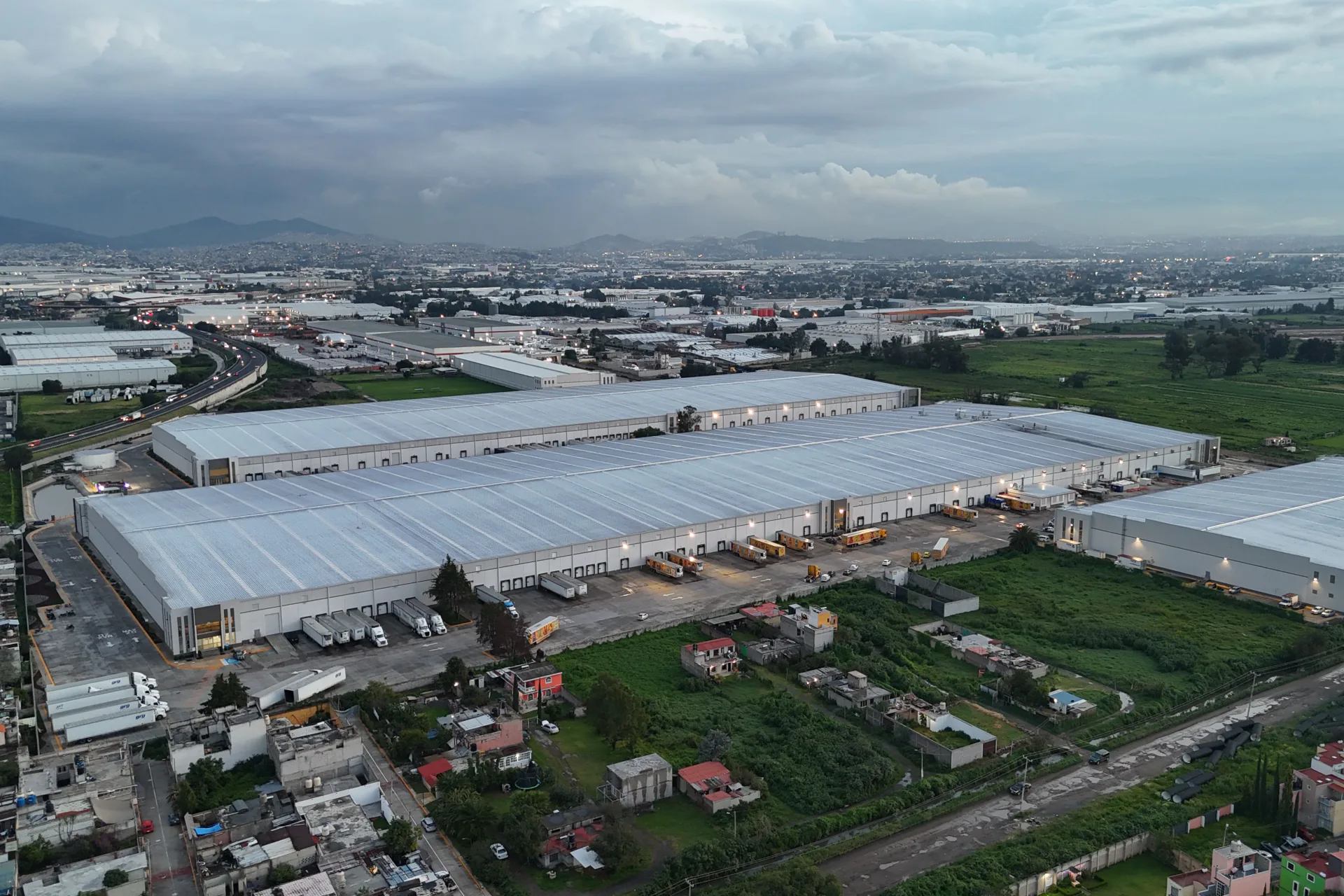
The yards that serve the port sit minutes from the terminals, which is what makes the same-day version possible; the terminal side, gates and appointments included, is on the drayage in Houston page.
One Houston container through a transload
| Step | What happens | The clock |
|---|---|---|
| Dray from the terminal | The container leaves Bayport or Barbours Cut on its Express Pass window and runs 10 to 20 miles to a yard on the Bayport side, in Baytown, or on the I-10 East corridor | Same day as availability; 93 percent of Platton pickups happen that day |
| Devan, palletized cargo | Pallets come out, are counted against the packing list and staged for the trailer | Hours, same shift |
| Devan, floor-loaded cargo | Loose cartons come out and are built onto pallets before anything can load | One extra shift; 1,500 cartons is a day of labor |
| Outbound load | Freight loads into 53-foot trailers for FTL, or is split into LTL and FBA shipments | Palletized: the same shift or next morning. Floor-loaded: the next day or the day after |
| Empty return | The container goes back to the terminal it came from | Inside the line's free days, so the per diem exposure is a day or two, not a week |
The last row is what a Houston importer is buying. On a direct container delivery to Dallas the container is gone for most of a week with the per-diem clock running; through a transload the box is back at the terminal before the trailer reaches Waco.
Where Houston transloads happen
| Cluster | Distance from the terminals | What it is used for |
|---|---|---|
| Pasadena, La Porte and the Bayport side | Under 15 miles from Bayport | Same-day devan for cargo heading west and north on I-10 and I-45 |
| Baytown and Cedar Port | About 15 minutes across the channel from Barbours Cut | The largest rail-served industrial park in the country; devan, storage and rail reload for cargo heading east and to the Midwest |
| I-10 East and the Houston Ship Channel corridor | 10 to 20 miles from either terminal | Yards on the route to the northwest belts; the usual home for a Dallas-bound transload |
Katy and the 290 belt, 45 to 60 miles out, are where the trailers deliver, not where the devan happens. The yard is chosen by where the freight is going, because the dray to any of the three clusters is short from either terminal and the outbound leg is what costs money.
The decision is made lane by lane, and the lanes out of Houston are long enough that it is rarely a coin toss.
Direct container delivery or transload out of Port Houston
| Destination | Distance | Keep it in the container | Transload into trailers |
|---|---|---|---|
| Pasadena, La Porte, Baytown | Under 25 miles | Yes: one dray, one dock, no fee | Only for multi-dock or FBA splits |
| Katy, 290, I-45 north | 45 to 60 miles | Usually, for one dock | When the box is overweight outside the corridor, or for several docks |
| Austin, San Antonio | 165 to 200 miles | Single urgent container | Three or more containers on the lane, overweight boxes, multi-stop |
| Dallas and Fort Worth | About 240 miles | Single urgent container | Three or more containers on the lane, overweight boxes; three containers into two trailers |
| Memphis, Atlanta and the Southeast | 570 to 800 miles | Rarely | Almost always; the container is the wrong equipment at this distance |
On the Dallas lane the trailer earns its fee three times over: two FTL trailers instead of three container drays, no per diem on a box that would otherwise be in Dallas for a week, and no corridor permit or tri-axle for a heavy load. Whether the outbound is a full trailer or a set of LTL shipments depends on the pallet count, and the break-even between them is in FTL vs LTL. One container on the lane gets the same comparison as thirty; the fee is per box either way.
Inside a 30-mile radius of the port, Texas allows permitted six-axle sets at 93,000 pounds gross and seven-axle sets at 100,000, so a container carrying 55,000 to 60,000 pounds of cargo can leave the terminal legally for a dock in Pasadena, La Porte or Baytown. The radius ends before Katy, before the 290 corridor and long before Dallas, and past it the 80,000-pound limit caps cargo at about 44,000 pounds in a 40-foot box. For those destinations a heavy container has two legal routes: a tri-axle chassis with a state permit, or a transload near the port that splits the cargo into two road-legal trailers. On a single dock inside the metro the tri-axle often wins; on anything past the Beltway, or any box going to another city, the transload usually does, because it removes the permit, the special equipment and the risk of a load stopped at the scale in one move.

A transload quote is a short list, priced per container.
What a Houston transload is priced from
| Line | Current market | On a Platton quote |
|---|---|---|
| Devan and reload, per container | 250 to 450 dollars for a same-day container-to-trailer transfer in East Coast and Gulf markets | Quoted per container |
| Palletizing floor-loaded cargo | Labor and pallets, priced per pallet built; the main variable on 1,500 loose cartons | Quoted from the packing list |
| Short-term storage | Per pallet per day when the trailer cannot load the same day | Quoted when the plan needs it |
| Per diem on the container | 100 to 200 dollars a day on a direct container delivery that overruns the free days, escalating past the first tier | Avoided; the box is back inside the free days |
To Deer Park the fee buys nothing a direct dray does not do; to Dallas it buys a trailer, a week of per diem and a permit. A heavy container dragged to Dallas on a permit, with a yard 12 miles from the gate never priced, is the file this page exists for.
Transloading is how Platton gets the cargo out of a Houston container and onto the road in trailers, at yards near the terminals, inside the container's free days.
The dray to the yard and the devan shift are scheduled against the vessel's discharge date, so the container is empty and on its way back to the terminal before the last free day.

Cargo for a Katy warehouse, a San Antonio customer and an Amazon fulfillment center comes out of the same container once, is built into three shipments on the yard floor, with FBA prep done there when a label or poly bag is missing, and leaves on three trucks the same day.

Boxes flagged overweight for a dock outside the 30-mile corridor are devanned and split across two trailers, each under the 80,000-pound limit, so the cargo leaves Houston without a permit, a tri-axle or a stop at the scale.

Every container is devanned against the packing list, with the piece count, any damage and any short shipment noted before the trailer loads, so a claim against the ocean carrier starts with the yard's tally and photos rather than with the receiving dock's word a week later.
Platton pages on either side of the transload:
Drayage in Houston: the container leg from Bayport or Barbours Cut to the yard, or straight to your dock.
FTL and LTL: the outbound leg the transloaded freight rides across Texas and beyond.
Cross-docking: the no-storage flow for palletized cargo that only needs a sort.
Amazon FBA prep: labels, poly bags and shipment splits done at the yard.
Freight forwarder in Houston and freight forwarder in Dallas: the rest of the import at each end of the lane.

When three or more containers move on the lane, when a container is overweight outside the 30-mile corridor, and when the cargo goes to more than one dock. The fee is a few hundred dollars per container for the devan and reload, and it is the same for the first box an importer ever brings through Houston as for the hundredth. A single urgent container for one Dallas dock is the case where the direct dray still wins, and the quote shows that too.

Send the container number, the packing list and the delivery addresses. The reply carries the transload priced per container for each destination, the weight checked against the corridor, and the devan scheduled against the discharge date.