Mitigating Tariff Impacts with Bonded Warehouses and Foreign Trade Zones
May 12, 2025
Introduction
As global trade dynamics evolve and tariffs become more unpredictable, importers and exporters face increasing pressure to control costs and maintain competitiveness.
Strategic use of Bonded Warehouses and Foreign Trade Zones (FTZs) can significantly reduce tariff exposure and offer flexible storage, processing, and re-export options. These trade tools have become crucial for companies looking to optimize their international logistics and stay resilient against shifting trade policies.
What Are Bonded Warehouses?
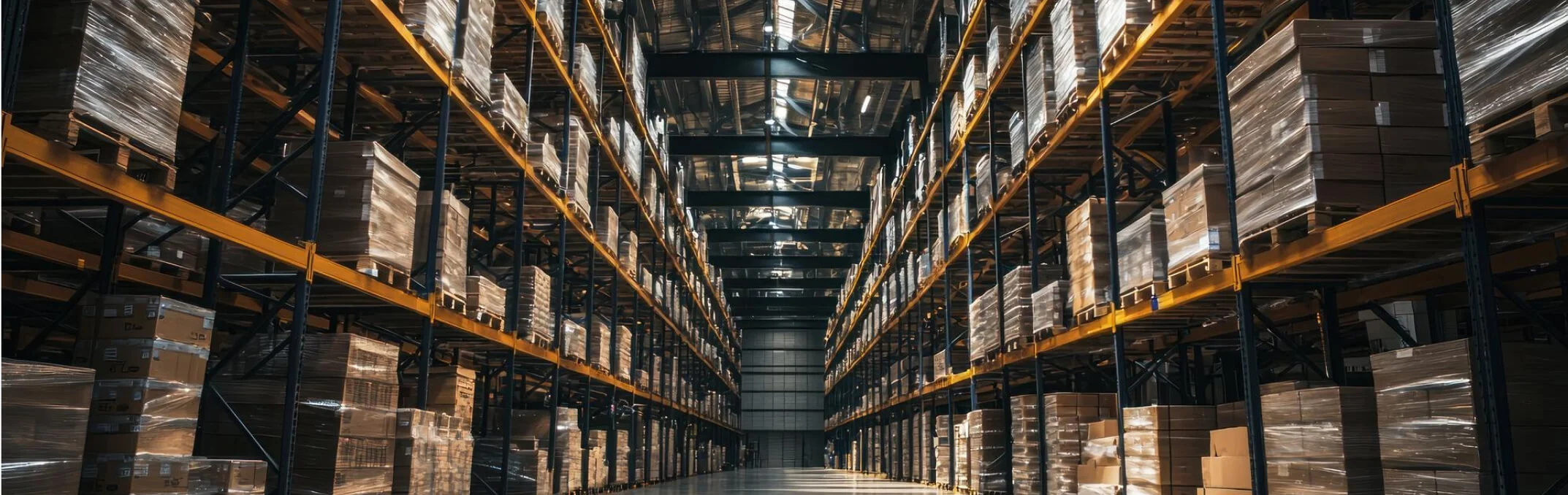
Bonded warehouses are secure facilities authorized by customs authorities where imported goods can be stored without immediate payment of duties or taxes. These warehouses serve as designated zones under customs supervision, allowing importers to defer duty payments until the goods are officially released into the domestic market. This setup is especially beneficial for businesses that deal with high volumes of imported goods or products intended for re-export.
Goods can remain in bonded warehouses for extended periods—sometimes indefinitely—depending on local regulations, giving companies the flexibility to manage inventory levels, respond to market demand, and reduce financial exposure. Additionally, if the stored goods are ultimately exported to another country, import duties may be entirely waived, making bonded warehouses a powerful tool for tariff mitigation and global supply chain optimization.
Key Features:
- Duty deferral: No duty is paid until goods are withdrawn for domestic use.
- Unlimited storage duration in many jurisdictions.
- Ideal for re-export: If goods are exported to another country, no duty is paid at all.

"Bonded warehouses offer flexibility in managing inventory and give businesses breathing room in volatile tariff environments."
— Global Logistics & Customs Review, 2023
Types of Bonded Warehouses:
- Private bonded warehouses: Operated by companies for their own goods.
- Public bonded warehouses: Available for use by multiple importers.
- Specialized facilities: Designed for temperature-sensitive or high-value cargo.
How FTZs Work Differently
Foreign Trade Zones (FTZs), also known as free zones or freeports, function similarly to bonded warehouses but offer broader benefits and operational freedom.
How They Differ:
- Manufacturing allowed: Goods can be assembled, repackaged, or modified inside an FTZ without triggering tariffs.
- Quota avoidance: Some FTZs offer exemptions from import quotas.
- No time limits: Goods can stay indefinitely, providing better inventory control.
Benefits of Both
Utilizing bonded warehouses and FTZs can unlock major logistical and financial advantages:
Cash flow optimization
Duties are only paid when goods enter the domestic market.
Increased supply chain flexibility
Businesses can respond to shifting demand or policy without being locked into duty payments.
Reduced risk of obsolescence or overstock
Store goods long-term without tax implications until needed.
Tariff mitigation
Goods re-exported or transformed into lower-duty products can avoid higher rates.
Use Cases for Importers
Many businesses — from electronics firms to apparel brands — are leveraging these tools to manage tariff costs strategically.
Use Case 1: Electronics Importer (Hypothetical)

Scenario:
A U.S.-based electronics distributor imports smartphone components from Asia.

Challenge:
High tariffs on individual components (up to 25%).

Solution:
The company uses an FTZ near Long Beach, CA. Inside the zone, components are assembled into finished phones, which fall under a lower duty rate.

Result
Reduced average duty rate by 18%.

Improved inventory planning with delayed duty payments.

Increased ability to re-export surplus to Latin America tariff-free.

Conclusion
In today's trade climate, mitigating tariff impact is not just smart — it's essential. Bonded warehouses and Foreign Trade Zones offer importers flexible, compliant, and cost-effective solutions. Whether a company is re-exporting, assembling, or simply storing goods, these mechanisms provide an invaluable advantage in the global logistics landscape.
You might also like


Subscribe to updates
Get the latest freight trends and insights delivered to your inbox
You agree to the privacy policy and receive news updates once a week